How do you preserve specialist craft skills for the future?
Every project is different. The approach begins by understanding what matters, who needs to be part of the conversation and what we are trying to make possible.
Cox London
Cox London recognised a challenge extending beyond their own organisation: traditional routes into specialist craft skills were changing, while the need to preserve and pass those skills on remained.
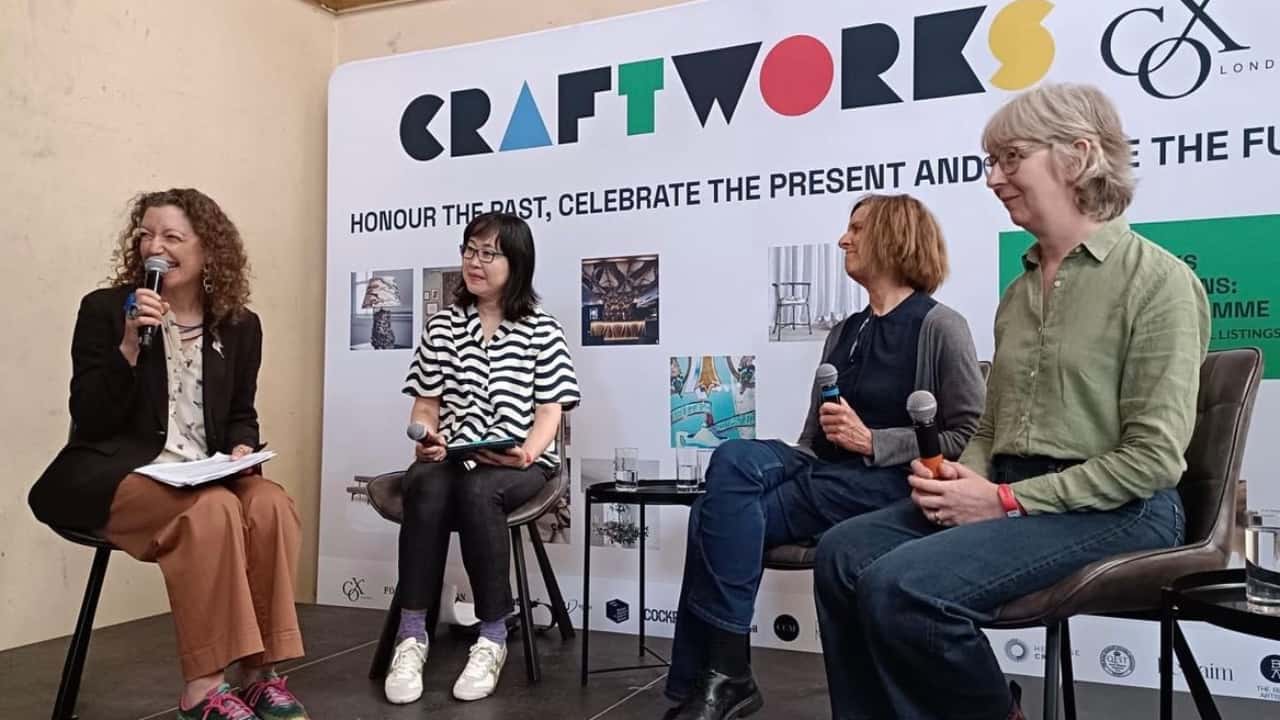
They saw an opportunity to become part of the solution and invited me to help turn that ambition into something they could build upon. It started with a conversation at Craftworks over coffee.
For a new apprenticeship scheme to work, it has to work at every level. So the beginning was listening: to directors and senior leaders; to the people who would teach and support future apprentices; to entry-level employees and trainees; and to young people themselves.
Bringing those perspectives together helped us shape a learning framework grounded in both the needs of the organisation and the experience of the people who would become part of it creating a foundation from which Cox London could develop its approach to learning, implementation and recruitment.